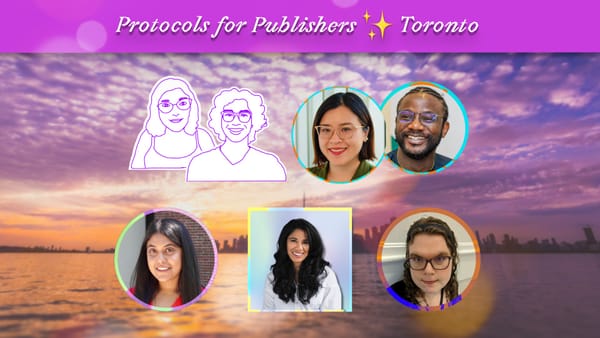
Event Recap: Toronto 2026

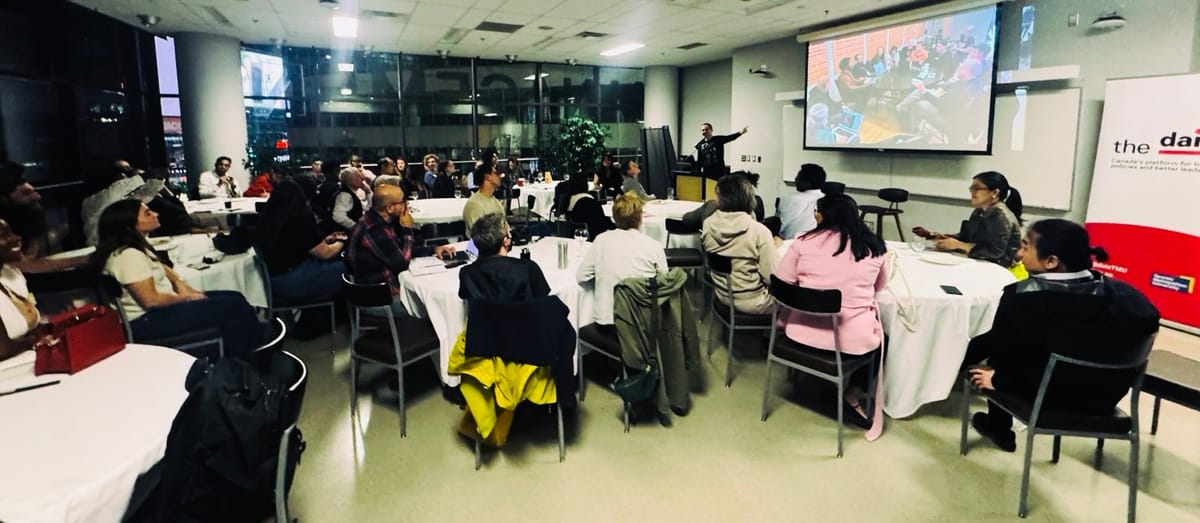
Overlooking Sankofa Square in downtown Toronto, a group of journalists and hackers gathered on October 5th to share ideas and techniques to navigate our new online world of AI chatbot mediation and fragmented social media. Being in Canada, this third edition of Protocols for Publishers had a different flavour to New York and London. The case for independence from large centralized American platforms has been made nearly every day in Canadian headlines in recent years.
Showcase Presentations
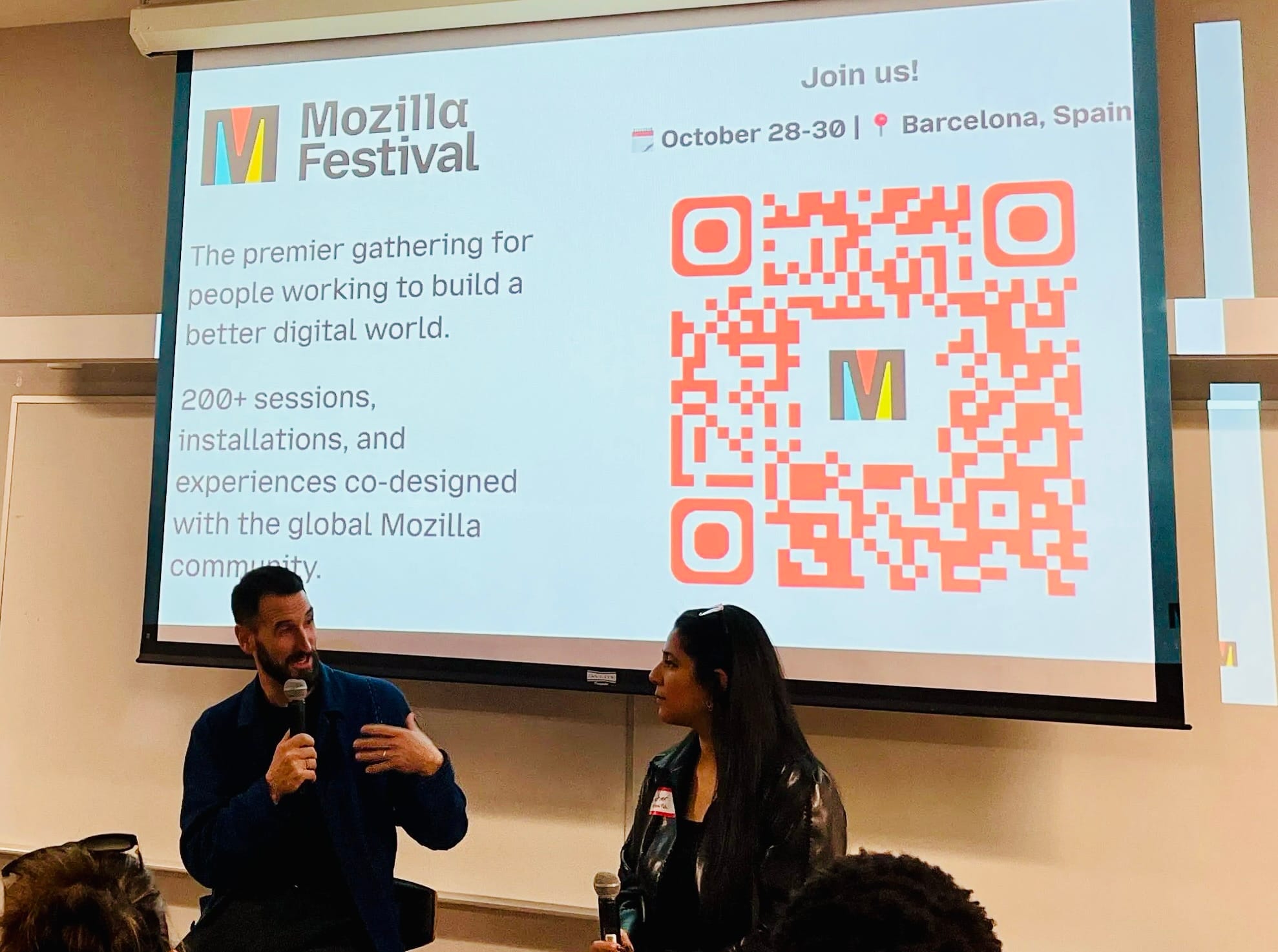
The evening was kicked off by MC Jake Hirsch-Allen from The Dais who interviewed Seher Shafiq of the Mozilla Foundation about how open source LLM models are a way for all of us to gain agency (see their State of Open Source AI report). Seher spoke on the theme of this year's MozFest: the concept of "rewilding" or adding more diversity to the web so that the entire ecosystem flourishes.
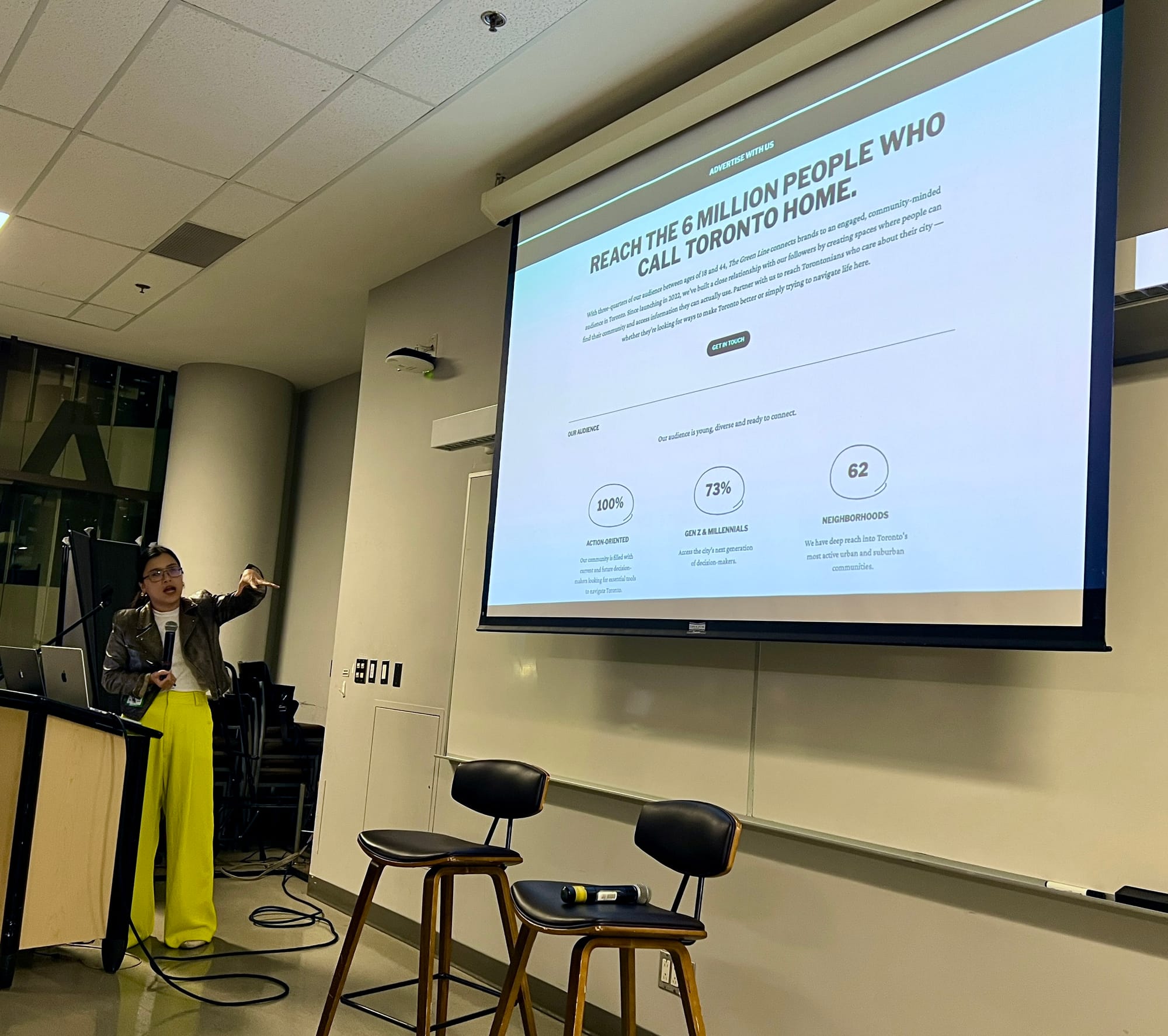
Next up was Anita Li, the founder, CEO and editor-in-chief of hyper-local news outlet The Green Line. Anita broke down how The Green Line engages with its readers through its Action Journey® framework and even shared a revenue breakdown of the organization.
Temitayo Akinyemi, Head of Product and Growth, at The Green Line followed with an overview of how they redeveloped their website and have developed a "symbiotic relationship" with first-party audience data, ensuring that value precedes asking for people's information, rather than an extractive "growth at all costs" methodology.
Next were Violet Cortes and Cole Capilongo of Hypha who demonstrated a tool for monitoring how a specific image is shared across Bluesky, and described techniques for tracing a digital asset's lifecycle from "glass to glass" as part of their expertise on media provenance.
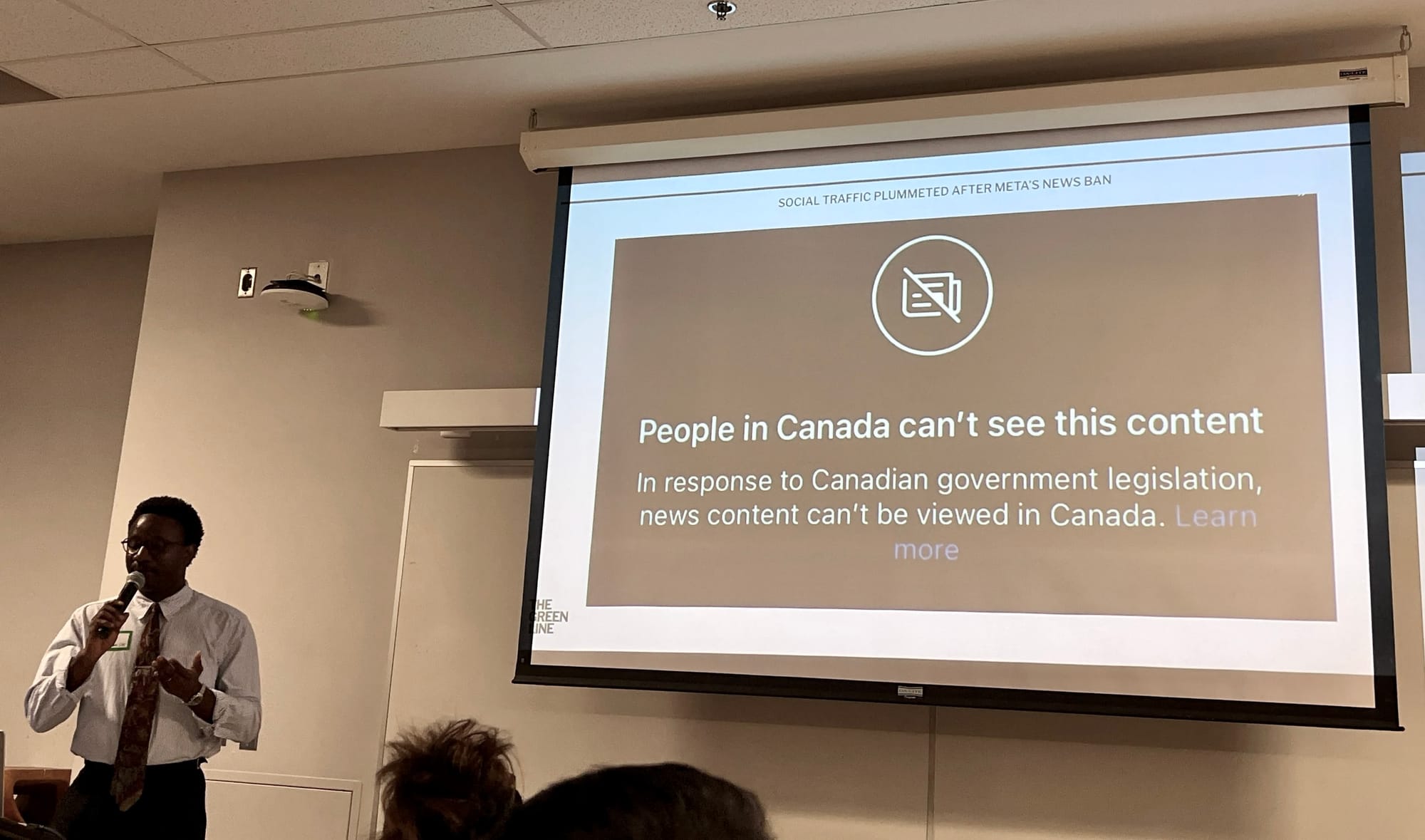
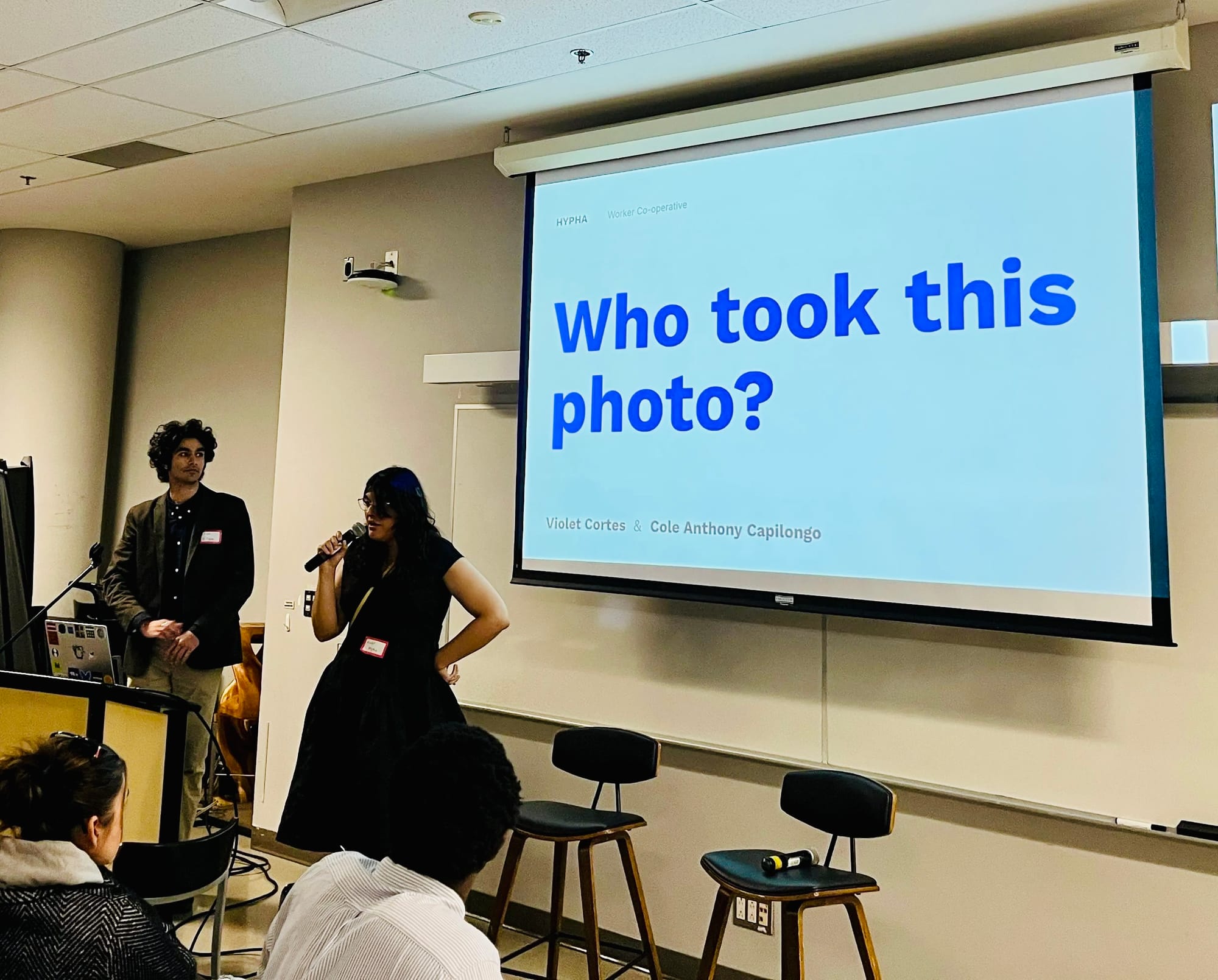
The evening's presentation wrapped up with PfP✨ organizer Chad Kohalyk, giving thanks to the community. He described the history of changes to the web publishing environment and, turning to this most recent inflection point, pointed out how the PfP✨ community makes a difference by uncovering meaningful use cases and sharing them directly with the proper developer communities, lowering the bar of adoption and moving the industry towards protocol-based publishing.
Stakeholder Forum
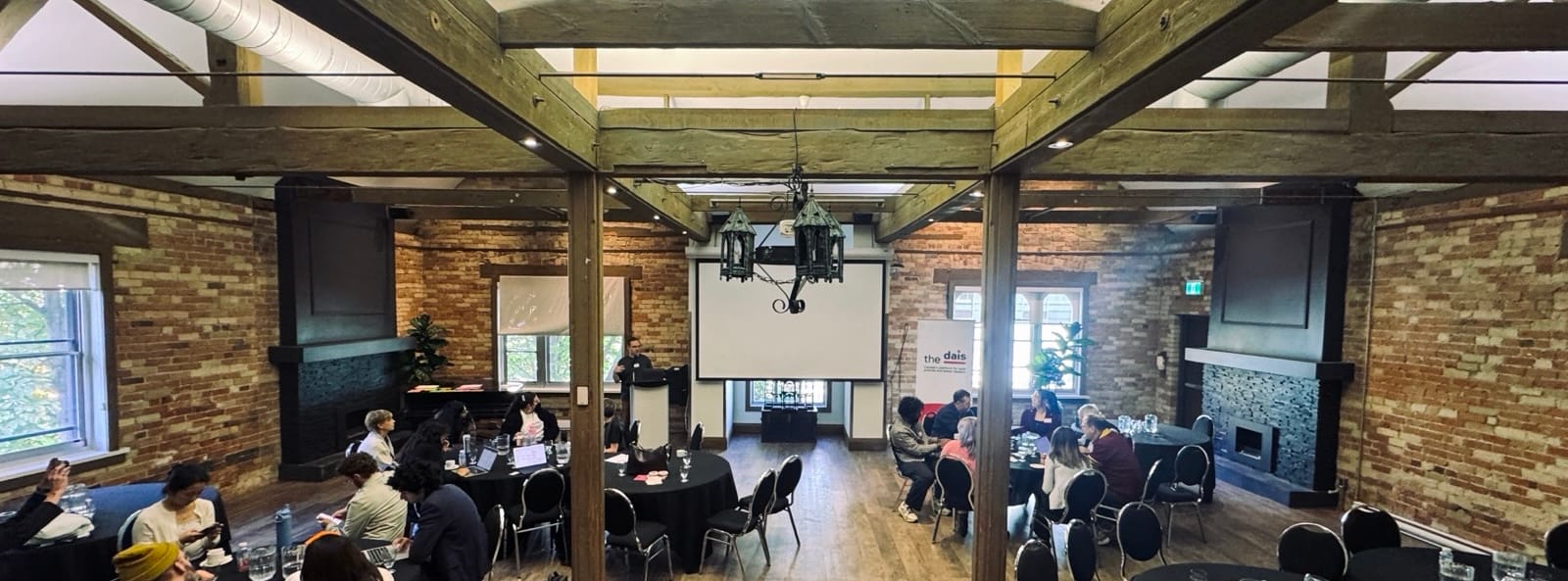
The following day, on October 6th, a group of 27 publishers, protocol developers, and researchers spent the day together deepening the dialogue between those who build open protocols and those who publish to the web, reach audiences, and sustain their work. The day was divided into three facilitated breakout discussions about the high-level and intertwined topics of revenue, sovereignty, and trust.
The previous forum in London focused on Discovery and AI, Monetization, and Audience Development, but many of the same issues surfaced again in Toronto.
Sovereignty was a new topic for PfP: Canada maintains a heavy dependence on American technology providers, which is a growing concern in Canadian life. A provocative (and hilarious) keynote presentation from Christine Lemmer-Webber (Spritely Institute) on the politics of technology and how we can regain our agency set up a discussion on how publishers can reduce dependency on outside actors, technological or otherwise.
The three sessions generated much fruitful discussion between publishers and developers, and resulted in 13 action points to follow up on, including:
- improvements to the ability to distinguish between humans and bots, which unlocks new capabilities
- moving revenue and trust signals onto social media protocols
- holding more IRL events to build trust
- use of risk frameworks
Protocols for Publishers ✨ will be taking all action points to the appropriate developer communities to help us get towards a future of protocol-based publishing, and digital sovereignty for publishers and readers alike.
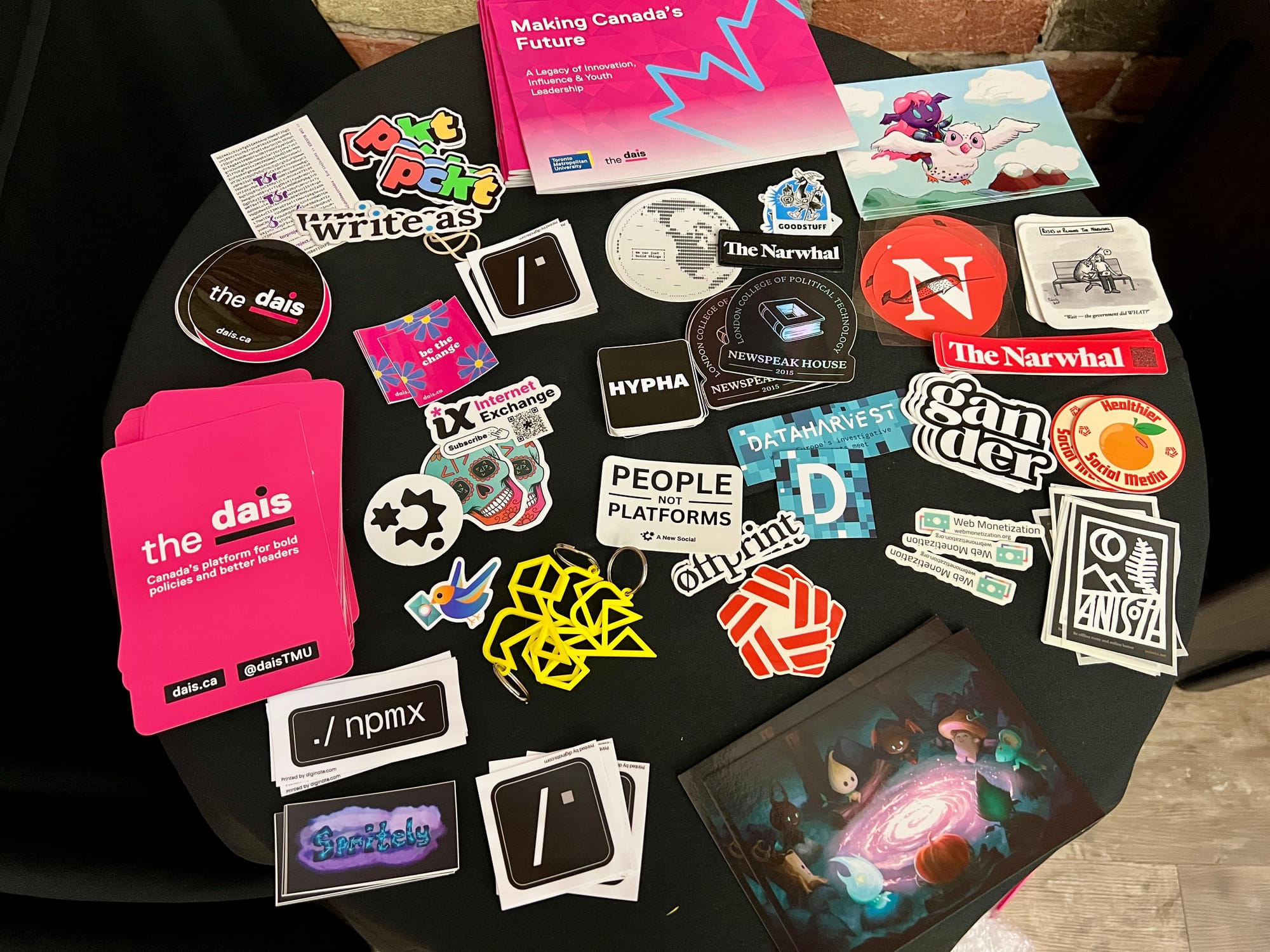
The next PfP✨ will likely be held in the San Francisco area next year. Sign up to the newsletter to be notified!
Protocols for Publishers ✨ is a growing community of practice navigating the next platform shift of publishing online in an age of AI-mediation and social media fragmentation.
Thank you once again to our partners for this Toronto event including: